
The aim of Ayushman Bharat Scheme is to focus on the most vulnerable sections of Indian population. Therefore, the government as identified two sections of Indian Population as eligible for benefits under Ayushman Bharat scheme. These are:
1. The 40% poorest families of India
2. All Indian citizens aged 70 yrs and aboveWhile the qualifying criteria for age is simple and can be proved by identity documents (Aadhar, Voter id etc) the identification of poverty is a bit more complicated. How do we identify who is poor and who is not? In order to do this the government relies on Socio Economic Caste Census 2011. The criteria for urban and rural poor have been set differently. For rural household the qualifying criteria was set basis 7 deprivation indicators while for urban poor the criteria has been set as per the occupation category.
Ayushman Bharat Eligibility Qualification criteria for poor families in rural areas
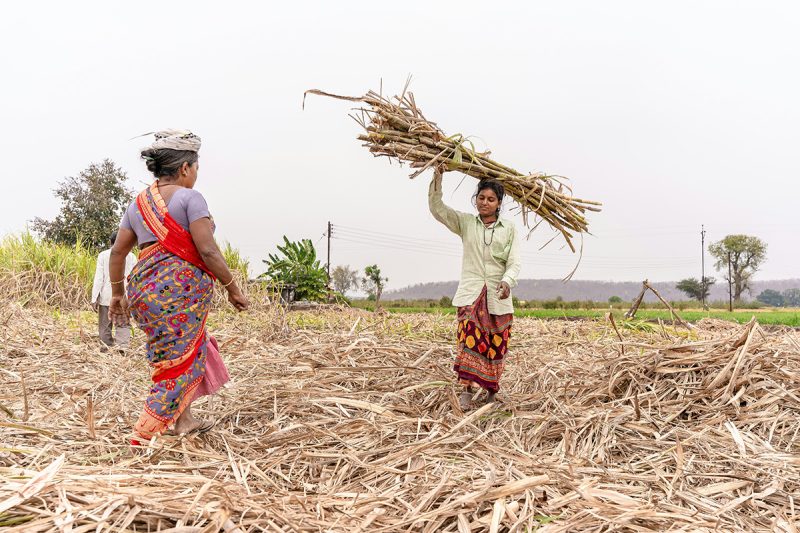
All families in rural areas which satisfy even one of the following six criteria’s is eligible to be covered under Ayushman Bharat:
- Only one room with kucha walls and kucha roof
- No adult member between ages 16 to 59
- Households with no adult male member between ages 16 to 59
- Disabled member and no able-bodied adult member
- SC/ST households
- Landless households deriving a major part of their income from manual casual labour
In addition to above six there is an automatic inclusion criterion (Destitute/ living on alms, manual scavenger households, primitive tribal group, legally released bonded labour) who are also eligible
Qualification criteria for poor families in urban areas
Unlike rural India where the markers are easy to establish since people tend to live in a fixed place as well as communities are tightly knight, urban poor cannot be identified by residence or family structure. Hence the government came up with a list of 11 occupational categories, families of whom would be eligible for Ayushman Bharat. These are- Ragpicker
- Beggar
- Domestic worker
- Street vendor/ Cobbler/hawker / other service provider working on streets
- Construction worker/ Plumber/ Mason/ Labour/ Painter/ Welder/ Security guard/ Coolie and other head-load worker
- Sweeper/ Sanitation worker/ Mali
- Home-based worker/ Artisan/ Handicrafts worker/ Tailor
- Transport worker/ Driver/ Conductor/ Helper to drivers and conductors/ Cart puller/ Rickshaw puller
- Shop worker/ Assistant/ Peon in small establishment/ Helper/Delivery assistant / Attendant/ Waiter
- Electrician/ Mechanic/ Assembler/ Repair worker
- Washer-man/ Chowkidar
These are the criteria set by Central government. However, since Ayushman Bharat is a scheme which is run in partnership with state governments, the state governments have been given the flexibility to use their own database and expand the coverage to other sections of the population that they deem as disadvantage over and above the criteria set by the Central government.

Hi, my name is Om, and I am a developer at Carepal Secure. With a strong passion for technology and innovation, I enjoy creating effective solutions and learning new skills to enhance my expertise. My journey in development has been both challenging and rewarding, allowing me to grow professionally while contributing meaningfully to the projects I work on.